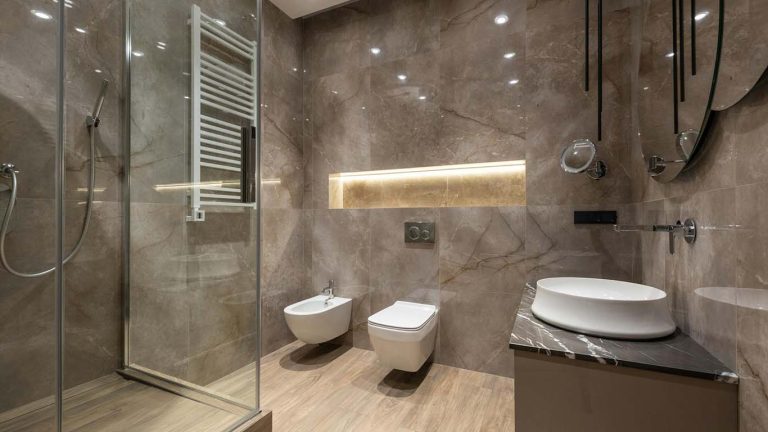




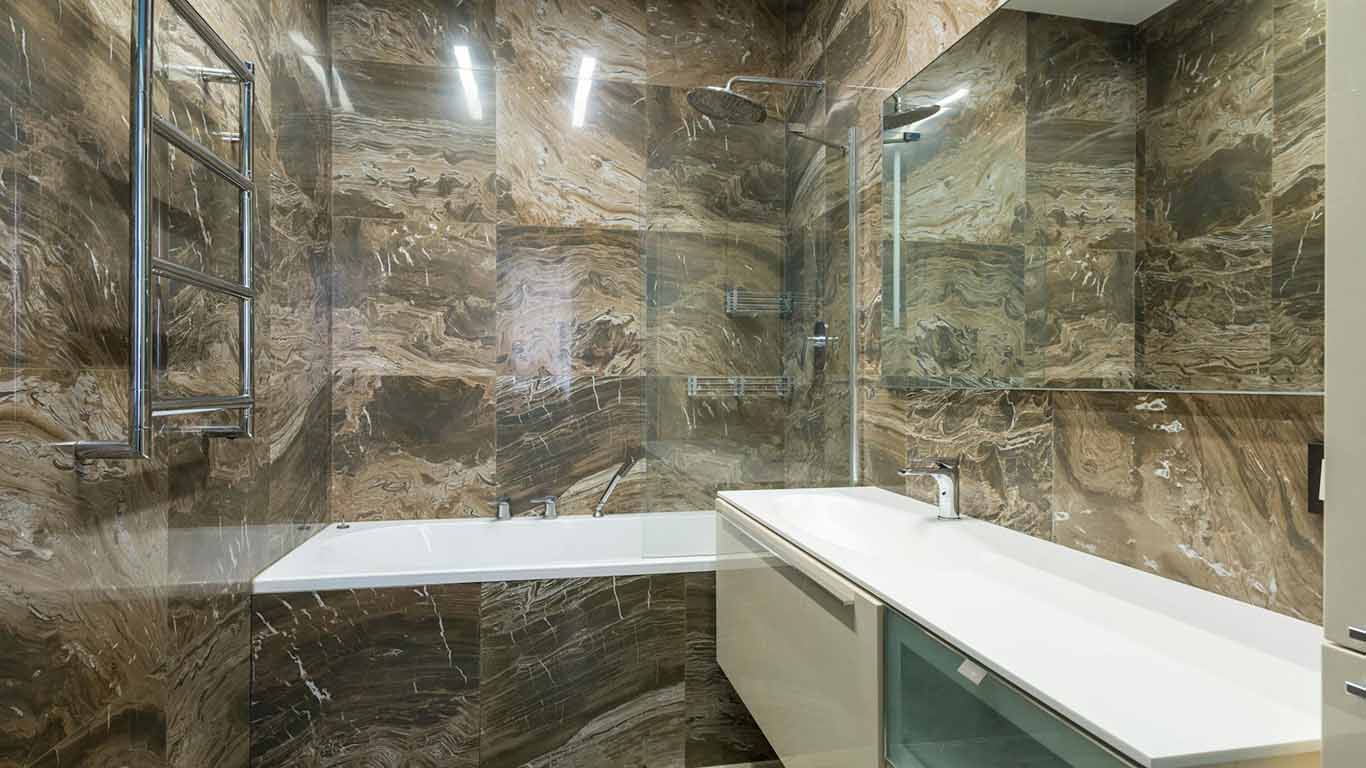
The construction of the bathroom requires materials that would be reliable with exposure to constant moisture. Tub and shower wall space is in contact with water, steam and changes in temperature.
Choosing solid surface for shower walls need to be aware of moisture behavior, accuracy of installation and performance in the long-term. Constructors are concerned with the defensive property as opposed to the cosmetic exterior beauty.
Framing, insulation, and plumbing should be effectively protected by wall systems. Weak solutions improve maintenance frequency and costs of repair. Lots of thought helps to sustain clean, hygienic and structurally proper bathrooms.
Wet Zone Performance Requirement
Tub and shower environments result in unremitting exposure to moisture and humidity. Walls should be able to withstand the movement of vapors and liquid at the same time. A little leakage will cause harm to substrates in a short period.
A long period of exposure to moisture stimulates the development of molds and the degradation of materials. Wall systems that have high performance form continuous protection lines. Superfluous seams pose a high probability of failure in the long term.
Wet-rated surfaces are irregular surfaces that hold up the daily stress. Guarantee should be continuous in joints and corners. Structural stability is maintained by a reliable moisture control. Good performance decreases the remediation in the future.
Material Engineering Issues
The performance of walls in the wet conditions is done through material engineering. Non-porous substances do not allow internal degradation and absorption. Thick construction does not want to bend with changes in temperatures.
Poor quality materials discolor, crack or weaken through repetitive exposure. Finishes applied to surfaces should be able to withstand the frequently used cleaning chemicals. The production uniformity enhances the dimensional stability and uniformity.
The fixtures mounted on rigid materials do not flex. Man-made enforced power decreases replacement requirements in the long-term. Lifespan is more important than first savings. The material integrity has a direct effect on the lifespan of renovation.
Installation Execution Standards
The quality of installation has a direct impact on success of the wall systems. The substrates should be flat, solid and waterproof. Lack of preparation forms stress areas at the back of the wall. Wrong sealing permits concealed water infiltration concerning the joints.
Shower solid surface walls are well installed creating an uninterrupted waterproof enclosure. Fastener position should be done as required by manufacturers. Problems in installation usually cancel the warranties and shorten the life.
The craftsmanship reduces the risks of leaks to a minimum. Proper direction enhances performance and looks. Installation standards secure general reliability of the bathrooms.
Impact Of Maintenance And Hygiene
Long-term usability and cleanliness are dependent on maintenance requirements. Clean walls help in the prevention of soap accumulation. Few seams limit spaces of accumulation of mold and mildew.
Finishes that are resistant to chemicals are safe to repeated cleaning procedures. Porous substances demand agitation in maintenance. Low maintenance systems promote regular cleaning practices.
Less maintenance helps to sustain hectic home schedules. Durable surfaces will not be affected by daily use. Much-needed maintenance enhances the general bathroom hygiene. Comfort is a factor in satisfaction of homeowners.
Planning Compatibility Of Designs
Tubs and fixtures should fit well in the wall systems. Thickness of panel influences plumbing transitions and trim. Incompatible ones lead to the appearance of gaps and irregular contours.
The neutral designs endorse the future renewability of the design. Finishes which are too decorative restrict their long-term flexibility. The location of seams determines inter-surface perceived continuity. The equal ratios enhance comfort in small bathrooms.
On the other hand, the coordinated finishes improve the quality perception of building. Problems in installation are avoided by proper planning. Long-term usability is supported by functional compatibility.
Conclusion
The choice of wall systems is very important in the durability and safety of the bathroom. The greatest functional requirement is moisture resistance. Fabricated products increase the lifespan.
Excessive damage in the structure is avoided due to proper installation. Controllable servicing facilitates comfort and hygiene. Considerate integration enhances the daily use. Decisions that are performance-based minimize the cost of repair in the long-term.
Solutions that are proven to be reliable are given preference by builders. Planned building safeguards vital elements of the building. Good wall systems guarantee a pointless bathroom performance with time.