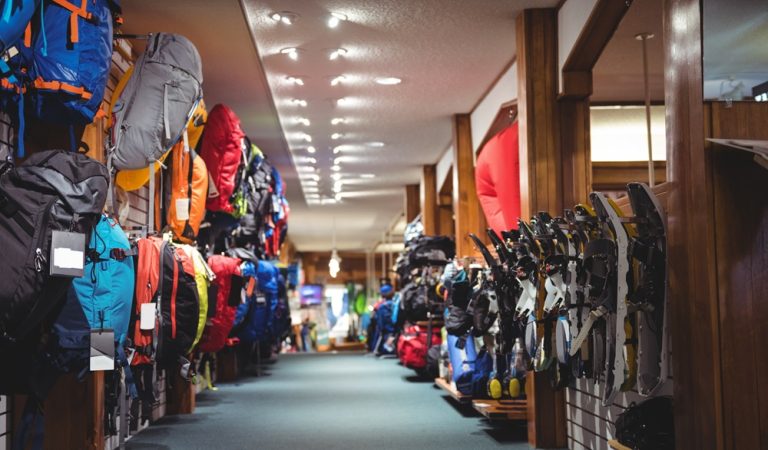




When shopping for a used pack, you need to know what separates a great deal from a money pit.
The difference often comes down to checking the right stress points and stitching quality.
With prices for premium backpacks reaching $300+ for new models, buying used can save you serious cash—but only if you know what to look for.
The Critical Stitching and Stress Points
Every backpack has areas that take more abuse than others. These stress points determine whether your backpack will last for years or fall apart after a few trips. Nearly 70% of backpack failures occur at major stress points, according to outdoor gear repair specialists.
The stress points you should always check include:
1. Shoulder Strap Attachments
The connection between shoulder straps and the main pack body is the most crucial stress point. When examining a used backpack, pay special attention to where the straps join the pack. Look for:
- Double or triple stitching (more is better)
- Reinforced bartack stitching (looks like dense zigzag stitches)
- No fraying or loose threads
If you see any separation or stretched stitching here, walk away. This area carries most of your load’s weight and fails first when overloaded.
2. Bottom Seams and Corners
The bottom of your pack takes serious abuse. It gets dropped on various surfaces and holds the heaviest items. Check all bottom seams carefully by turning the pack inside out if possible.
What good bottom construction looks like:
- Reinforced bottom panel (often with thicker material)
- Double stitching along all bottom seams
- Bartack stitching at corners where stress concentrates
3. Handle and Haul Loop Quality
You’ll grab these more than you think. Strong handles save backpacks from failure during quick moves. Examine:
- Secure attachment points
- Material that isn’t fraying or thinning
- Bartack reinforcement at both ends
4. Critical Zipper Inspection
Zippers are both a frequent failure point and expensive to replace. The table below helps you identify quality zipper systems:
| Zipper Type | Durability Rating | What to Look For |
| YKK Coil | Good | Smooth operation, no missing teeth |
| YKK Vislon | Excellent | Plastic teeth intact, slider moves freely |
| Generic | Variable | Test repeatedly, look for smooth action |
Always test every zipper multiple times, opening and closing fully. Listen for catches or areas where the zipper sticks.
Hidden Stress Areas Most Buyers Miss
While obvious points get attention, there are less visible areas that determine long-term durability:
5. Internal Frame Attachment Points
If your pack has an internal frame, check where it connects to the pack body. These hidden stress points often fail first when carrying heavy loads. Look for reinforced stitching and patches at these connection points.
6. Load Lifter Straps
These small but critical straps help distribute weight properly. Their attachment points endure significant stress. Make sure they’re securely stitched with reinforcement and show no signs of pulling or separation.
Stitching Quality: The Backbone of Durability
The quality of stitching directly impacts how long your used pack will last. Expert gear repair technicians report that over 80% of repairs involve stitching failures.
Good stitching looks:
- Even and consistent
- Free from puckering or stretched fabric
- Reinforced at key points with bartack or box stitching
Bad stitching shows uneven tension, skipped stitches, or loose threads you can pull easily.
Testing Stress Points in Person
When you have the used pack in hand, perform these quick tests:
- The Loaded Shake Test: Put 10-15 pounds inside and gently shake the pack. Listen for unusual sounds or feel for structural movement.
- The Seam Stress Test: Gently pull at key seams (not hard enough to damage, but enough to reveal weakness). Secure seams will hold firm.
- The “What’s Included” Check: Many used packs are missing key components like sternum straps or hip belts. Verify all parts are present and functional.

Making Your Final Decision
Remember that some issues are fixable while others mean walking away. Minor cosmetic wear won’t affect function, but structural damage at stress points will only get worse.
Looking for quality used backpacks is worth the effort. By carefully inspecting stitching and stress points, you’re not just buying a used pack—you’re investing in reliable gear that will support your adventures for years to come.
Q&A
Why are shoulder strap attachments so important when evaluating a used backpack?
Answer:
Because they carry the majority of the load and endure the most movement and stress. If this area fails—due to loose stitching, fraying, or separation—your entire pack becomes unusable, often at the worst moment.
Look for reinforced bar-tack stitching, no loose threads, and double/triple stitched joins.
How can I test if the zippers on a used backpack will last?
Answer:
- Run each zipper fully open and closed several times.
- Look for smooth motion, no sticking or misalignment.
- Check teeth and sliders—YKK is a trusted brand; generic ones can be risky.
If the zipper snags, feels gritty, or has missing teeth, it could fail under pressure—and repairs are often costly.
What parts are commonly missing from used packs—and how important are they?
Answer:
Missing components may include:
- Sternum strap (helps stabilize load)
- Hip belt (critical for weight transfer)
- Compression straps or clips
A missing sternum strap may be minor. A missing hip belt? That’s a dealbreaker for large packs unless you’re ready to replace it.
Should I ever buy a pack with stitching issues or small tears?
Answer:
Only if:
- The damage is minor, in non-critical areas
- You’re comfortable repairing it
- The price reflects the flaw and it’s clearly disclosed
Don’t buy if the issue is in a high-stress zone like strap attachments or frame support areas—those failures worsen fast.