


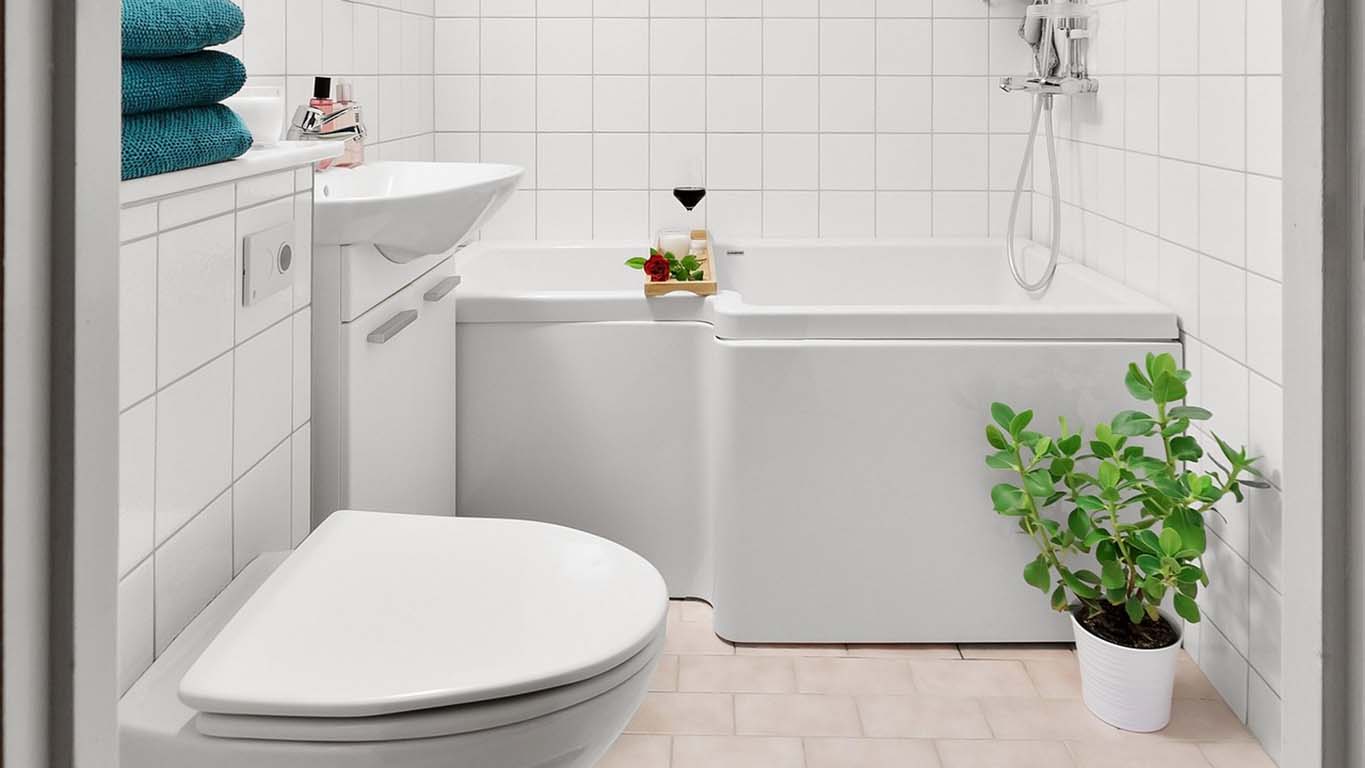
The process of bathroom improvements must be evaluated in terms of the number of inches and not the visual thrill. Projects are analyzed by professionals to determine the functional improvements through an objective analysis. Numerous upgrades seem to work well but cannot be operated successfully after a period of time.
Comparative analysis assists in determining actual performance change. A comparison of what happens before and after bathroom remodels enables the designers to determine the efficiency of the layout and its durability. These assessments are used in making superior decisions in the future.
It is beneficial to homeowners as they know why changes were successful. The use of evidence-based reviews cuts down on emotional bias. Accountability is enhanced through clear evaluation. Formal analysis helps to have smarter renovation results in residential bathroom projects.
Setting Of Precise Foundations
Credible comparisons would start with proper record keeping of the current bathroom conditions. Photos and notes that are made determine functional starting points. Baseline data takes the form of lighting circulation storage and ventilation constraints.
In the absence of this information, the improvement will be subjective and deceptive. Baselines help designers to justify design choices. Plumbing limitations have an impact on accuracy of planning. The layout feasibility is influenced by structural constraints.
Understanding records avoid misunderstandings in future. Budgets and schedules are based on realism. Objective records bring transparency between the homeowners and the contractors during the execution phases of the renovation.
Layout And Flow Elaborations
The most functional enhancements are often provided with layout changes. Moved fixtures enhance mobility and comfort. The change of door swings enhances accessibility. Expansion of showers eliminates congestion.
Vanity repositioning increases efficiency in storage. Designers consider circulation paths with a lot of consideration. Wasted space is often manifested before conditions. Following designs contribute to instinctive movement.
Closer movement leads to less cleaning. Improved designs support the needs of different users. Layout analysis guarantees the success of the renovations and not just the visual impression.
Comparison Of The Material Performance
The choice of materials has an effect on both the long-term durability and maintenance work. Comparative reviews are done to demonstrate the performance of materials in real conditions.
Surface wear is a phenomenon of time. The resistance to staining and cleaning is studied by designers before and after bathroom remodels in bathroom renovation project. Post renovation manifestation of finish degradation occurs.
Durability is tested by exposure to moisture. The failure of materials is used in subsequent specifications. Better material investment will be seen through performance evidence that will assist in future bathroom projects.
Budget And Cost Efficiency
The cost evaluation is a measure of value and not the aggregate amount of spending. Designers determine the proportionate functional gains achieved by investment. Inefficiencies which raise the maintenance cost are commonly concealed by the condition before it.
Once the results show a saving in the durability and efficiency. The rework costs are minimized through sequencing enhancements. Planning accuracy is made by budget comparisons.
Managed expenditure safeguards domestic loyalty. Accountability is facilitated by financial transparency. Long term renovation satisfaction is enhanced by cost efficiency. Making objective financial review will help in smarter budgeting patterns in future.
User Experience Outcomes
Renovation success is confirmed by user experience, which is not quantified by technical means. Design effectiveness is demonstrated in the day-to-day activities. Better lighting is more convenient.
The access of storage decreases clutter. Comfort is enhanced with ventilation enhancements. Physical strain is minimized by placing fixtures. The users complain of cleaning ease. Comfort is enhanced by the decrease of noise.
The safety upgrades can be helpful to any age group. Design intent congruence is verified. Evaluation of experience is used to make sure that renovations provide a durable functional value to occupants.
Conclusion
Professional assessment enhances accountability of renovation and learning. Comparative analysis eliminates repetition of design errors. The aesthetic is less important than functional outputs.
Evidence based review is a smarter way of making decisions in the future. Structured assessment enhances better budgeting and planning. Refinement of techniques is done by designers based on documentations.
Real property owners have a sense of security with clear assessment. Sustainable renovation activities are guided by reliable analysis. Standardized evaluation makes sure that the bathroom remodels would be successful in their long-term operation.