
If you just got a gift voucher or finally decided to stop hiking in sneakers, $150 feels like a solid starting point. And it is, but only if you spend it on the right things. Skip the fancy gadgets. Focus on what actually keeps you comfortable on the trail.
Before you buy anything, it helps to browse cheap hiking supplies at places like GearTrade, where you can find quality secondhand outdoor gear at a fraction of the retail price.
Now, here is how to make the most of your budget.
Start With Shoes (Seriously, Just Start Here)
Almost every experienced hiker will tell you the same thing: shoes first, everything else second. Your feet carry you the whole way. If they hurt, the hike is miserable, no matter how beautiful the trail is.
A good pair of hiking shoes typically runs between $100 and $150 on its own. That might feel like a lot for one item, but it is worth every cent. Brands like Keen, Merrell, Altra, and Salomon are popular for good reason. They offer solid grip, support, and durability.
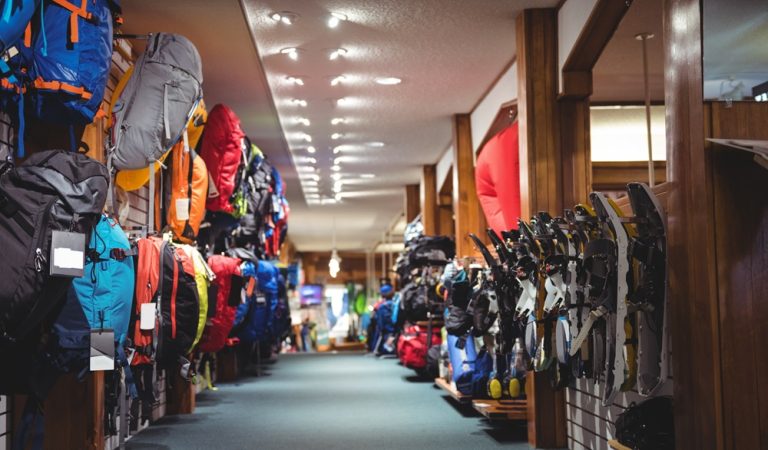
One thing to keep in mind: do not just order online and hope for the best. Go to an outdoor store, try a few pairs on, and walk around. Some stores even have fake rocks you can step on to test how the shoes handle uneven ground. Your toes should not touch the front when you walk downhill, so size up slightly from your regular shoes.
Also, waterproof or not? If you hike in wet conditions like the UK, waterproofing helps. But in hot, dry places like Dubai, waterproof shoes trap heat and make your feet sweat more. Think about where you hike most before deciding.
Do Not Skip the Socks
This one gets ignored more than it should. Regular cotton socks will give you blisters. Merino wool socks, like those from Darn Tough or Smartwool, make a real difference. They manage moisture, reduce friction, and keep your feet comfortable for hours.
Two good pairs of hiking socks will cost around $20 to $40 total. If your shoe budget leaves a little room, grab at least one pair before you hit the trail.
A Daypack Comes Next
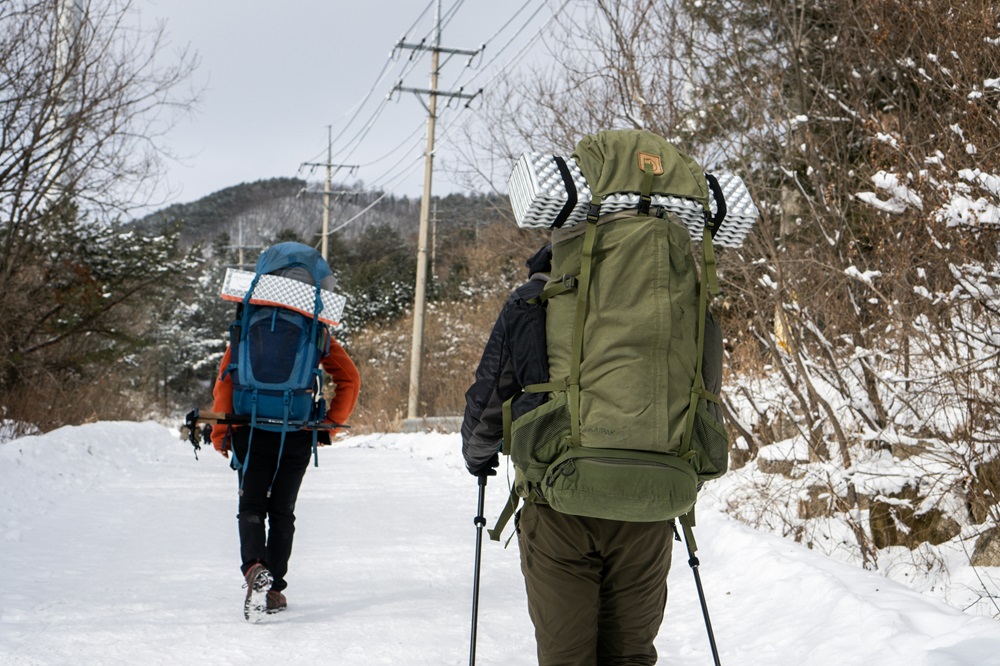
You need something to carry water, snacks, a first aid kit, and a layer you can take off when you warm up. A basic 20 to 30 liter daypack works well for most day hikes.
You do not need anything fancy here. A simple, comfortable pack with padded straps does the job. If you want to carry water hands-free, look for one with a hydration bladder slot. Osprey makes reliable options at different price points, and you can often find good packs secondhand.
What About a Rain Jacket?
If you hike in the UK or anywhere that sees rain, a waterproof shell jacket is worth having. You do not need an expensive one. Check sale racks, outlet stores, or secondhand platforms. A decent rain jacket protects you from wind and wet weather and packs down small enough to keep in your bag just in case.
For desert hikes, swap the rain jacket for a sun hat and a lightweight long-sleeve shirt with UV protection. Staying hydrated and keeping the sun off your skin matters far more in that climate.
A Quick Priority List
- Hiking shoes or trail runners
- Merino wool socks (at least one pair)
- A simple daypack
- A rain jacket (for wet climates) or a sun hat and sun shirt (for hot climates)
FAQ
Are trail runners good enough, or do I need actual hiking boots?
Ans: Trail runners work well for most day hikes, especially on well-maintained trails. They are lighter and more comfortable for many people. Boots offer more ankle support and are better for rough, rocky, or very wet terrain. It depends on where you hike.
How do I know if hiking shoes fit properly?
Ans: Your heel should sit firmly in place with no slipping. Your toes should have a little room at the front, especially for downhill walking. Always try them on with hiking socks, not regular ones.
Can I hike in regular athletic clothes?
Ans: Yes, for casual day hikes. Just avoid cotton base layers if you sweat a lot or hike in cold weather. Moisture-wicking or merino wool fabrics keep you more comfortable.
How much water should I bring on a day hike?
Ans: A general rule is about half a liter per hour of hiking. In hot weather, bring more. A 2 liter water bottle or hydration bladder covers most half-day hikes.
Is it worth buying used hiking gear?
Ans: Absolutely. Jackets, backpacks, and trekking poles hold up well secondhand. For shoes, buying used is riskier since the sole and cushioning wear down with use and may not support your feet properly.