




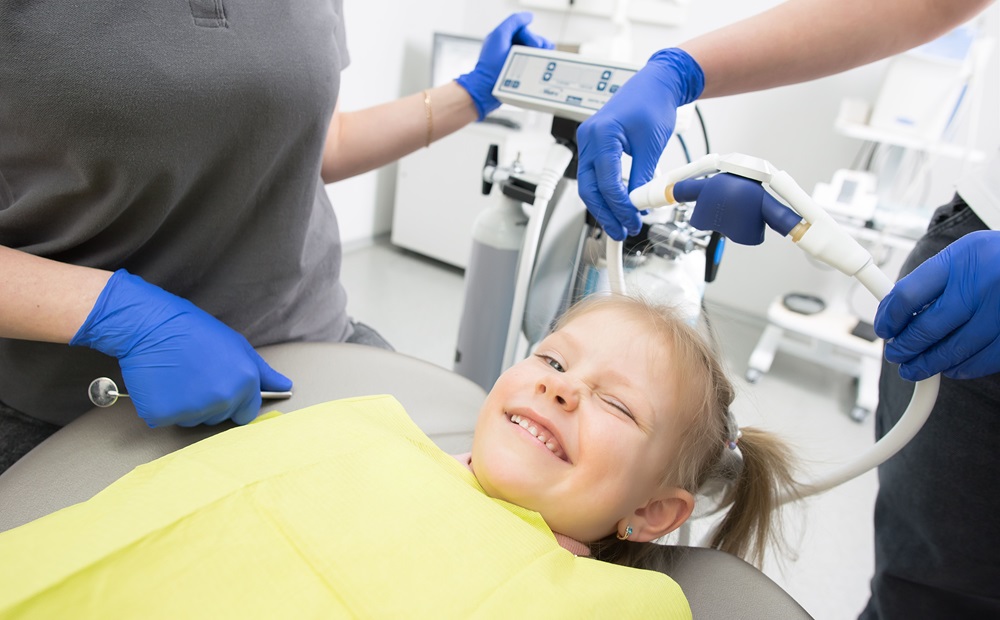
Dental care gets treated like a luxury in the US. You can break your wrist and your health insurance kicks in. But lose a tooth to infection and suddenly you’re on your own, borrowing $2,000 to avoid a hospital visit. If you’ve ever wondered why this gap exists, especially if you’ve been trying to find healthy kids dental contact options for your family, you’re asking the right question.
The short answer: it’s history. A very stubborn, very expensive piece of history.
How dentistry got separated from medicine
Back in the 1800s, physicians basically decided dentists weren’t “real” doctors. The American Medical Association formed in 1847 and deliberately excluded dentists from its ranks. Dentists responded by starting their own organization, the American Dental Association, in 1859. From that point on, the two professions operated as completely separate systems.
Different schools. Different licensing boards. Different insurance structures.
When employer-sponsored health insurance took off during World War II, it was built around the AMA framework. Dentistry wasn’t part of that framework, so dental coverage wasn’t part of those plans either.
That separation stuck. And 180 years later, you’re still paying for it.
Dental insurance isn’t really insurance
Here’s something worth understanding. What most people call “dental insurance” doesn’t work the way health insurance does. It’s closer to a prepaid coupon plan.
Most dental plans:
- Cover 2 cleanings and 1 set of X-rays per year
- Hit an annual maximum around $1,000 to $1,500
- Leave you paying out of pocket for fillings, crowns, and root canals
- Have separate (worse) coverage for orthodontics and periodontal work
One Reddit user put it plainly: their more expensive dental plan maxes out by March every year, and their insurer rejected a bone graft their dentist said was medically necessary, then upheld that decision after an appeal.
That’s not insurance. That’s a very expensive way to feel covered.
Why this actually matters for your health
Your mouth isn’t separate from your body. Gum disease is linked to heart disease, diabetes, and serious systemic infections. A tooth infection that goes untreated can spread to your sinuses, your jaw, your bloodstream.
One person shared that they had to borrow $2,000 for an emergency extraction because the infection was already reaching their sinuses. Another person lost a tooth and ended up with major health complications because the dentist visit was simply unaffordable.
These aren’t edge cases. They’re what happens when a necessary part of healthcare gets classified as optional for two centuries.
Is this only a US problem?
Mostly, but not entirely. Dental and vision care are separated from general health coverage in many countries, including Canada. Even some universal healthcare systems treat dental as an add-on.
Japan includes dental in its regular health insurance. Denmark recently started rolling out free basic dental care. The US sits at the expensive end of the spectrum partly because private insurers set the rules, and partly because the medical-dental divide runs so deep.
What you can actually do right now
You have a few options depending on your situation:
- Employer plans: If your job offers dental, check whether it’s a standalone plan or bundled. Standalone plans through large employers are sometimes genuinely good.
- Standalone dental insurance: Plans run roughly $30 to $60 per month for individuals. Worth doing the math on whether your expected costs exceed the premium plus the annual cap.
- HSA or FSA funds: Both can cover dental expenses tax-free. If you have one, use it for dental before anything else.
- Dental schools: Many dental schools offer care at significantly reduced rates. The work is supervised by licensed instructors.
- Negotiating directly: Many dentists will work out a payment plan or offer a discount for cash payment upfront. It doesn’t hurt to ask.
The system is broken in ways that won’t be fixed quickly. But you have more options than the standard plans suggest.

FAQ
Does Medicare cover dental care?
Standard Medicare (Parts A and B) doesn’t cover routine dental care, including cleanings, fillings, or extractions. Some Medicare Advantage plans include limited dental benefits, but coverage varies widely by plan and provider.
Can a dentist treat an abscess or dental emergency under regular health insurance?
Sometimes. Oral surgeons and endodontists can bill under medical insurance in certain situations, particularly for emergencies involving infection or surgery. A regular dentist visit typically won’t qualify. It depends on your insurer and the specific procedure.
Why does dental work cost so much even without insurance?
Dentistry requires precision equipment, specialty materials, and custom work for each patient. A crown, for example, is made to match your specific bite down to the millimeter. The materials alone are expensive. That said, prices vary a lot by location, so it’s worth comparing providers.
Is there any movement to include dental in standard health insurance?
The Affordable Care Act required dental coverage for children in approved plans, though adult dental remained separate. There have been ongoing proposals to add dental to Medicare, but as of 2025, no comprehensive federal law has passed requiring it for adults.
Does dental health affect mental health?
Yes, though it’s less talked about. Tooth pain, visible decay, and the cost stress of avoiding the dentist all contribute to anxiety and lower quality of life. People who can’t afford care often delay treatment until a minor issue becomes a major one, which compounds both the health and financial burden.